
Spider Solitaire Daily Challenge
Local record
Keep the rhythm of every deal
0
Wins
—
Best time
—
Fewest moves
Cleared deals
Wins, best time, fewest moves, and cleared deal numbers are saved only in this browser. They are not attached to an account or copied to another device. Clearing the local record or browser site data removes them.
This cannot be undone. Clear the record stored in this browser?
The Value of a Daily Deal Is Learning the Same Hand
This table maps the UTC date, game mode, and layout to a fixed deal number. The rules and tools are identical to the main game, but the reproducible opening makes comparison meaningful. Replay the same cards, change one early decision, and measure whether you reveal more cards, preserve a suited run, or create an empty column sooner.
Answer Four Questions Before You Begin
What exactly is fixed today?
The UTC date selects a deal number for the current mode and layout. The starting cards are fixed; your moves and solution are not.
What should I record on the first attempt?
Note which column reveals first, when the first empty column appears, and which early stock deal or mixed-suit build begins to restrict the table.
When should I restart instead of using Undo?
Use Undo to compare one or two recent moves. Restart when the costly decision occurred much earlier and you want to test one clean alternative from the same opening.
How can I study this deal after today?
Copy the displayed deal number together with the mode. Enter both on the main table later to reproduce the opening; the number does not include your moves or progress.
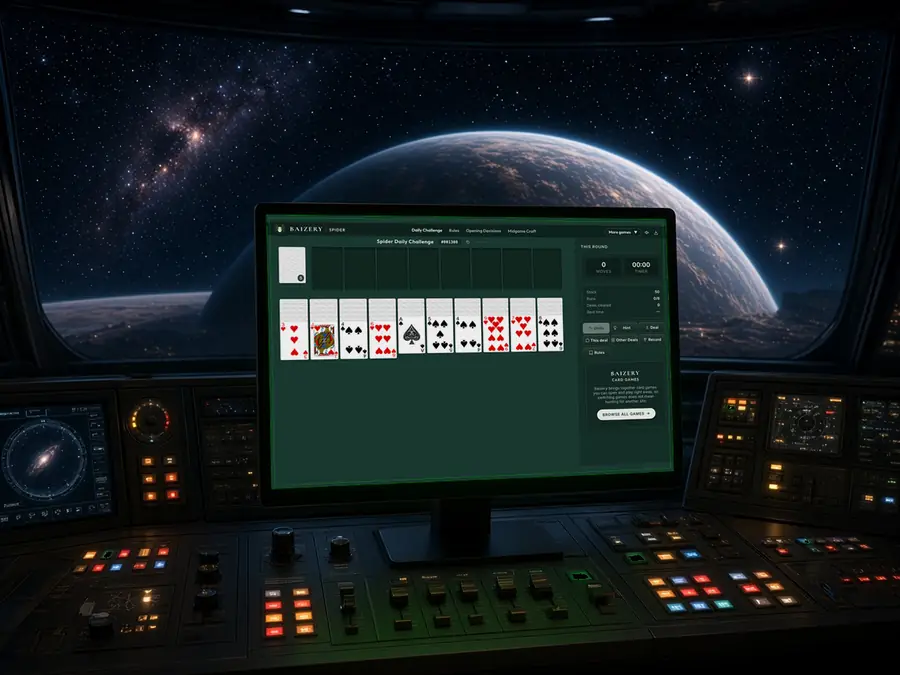
First attempt: establish a baseline
Play far enough to see how the position develops before repeatedly restarting. Record when you first create an empty column, how many face-down cards remain before the first stock deal, and where long-term suit breaks appear.
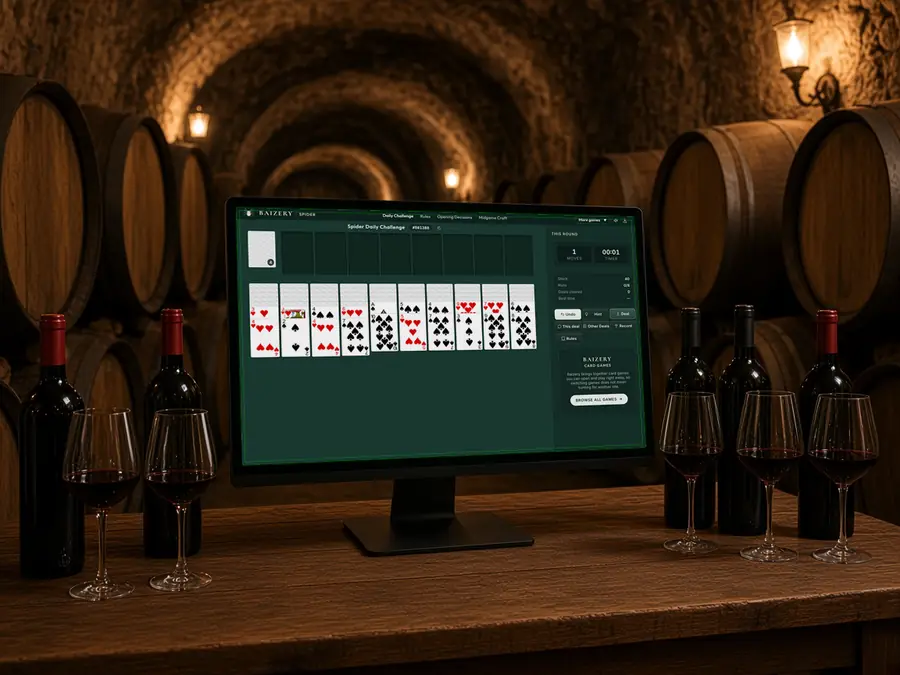
Second attempt: replace one expensive decision
Restart and change only one choice: target a different first column, reserve the empty column for another run, or delay one stock deal. Keeping the rest of the line similar makes the comparison useful.
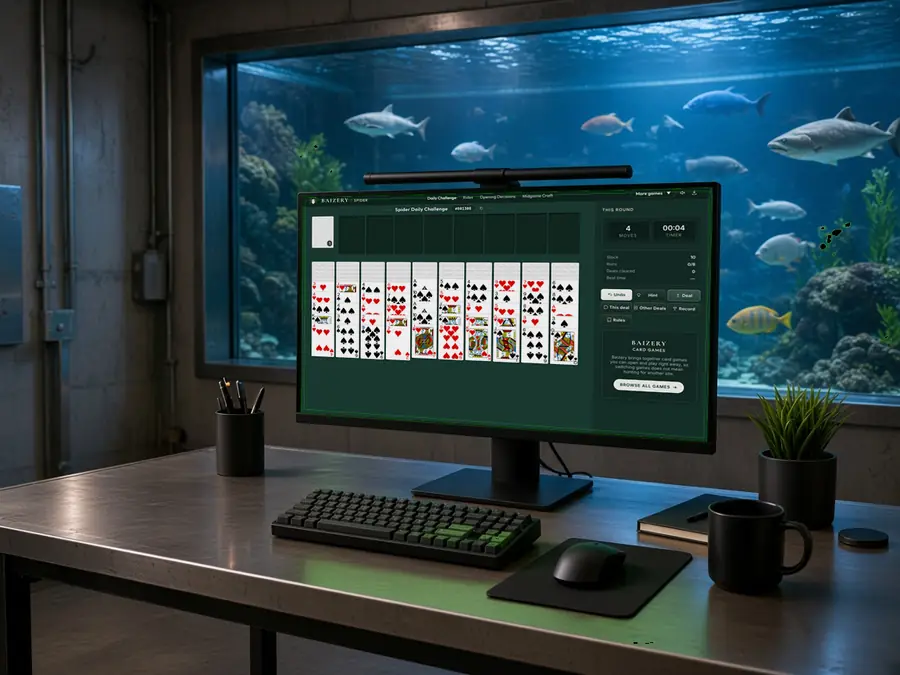
Review the first irreversible cost
The final dead end is usually the result, not the cause. Look back for the first unique landing rank consumed, King parked in the only empty column, or stock row dealt before a suited run was repaired.
Daily Spider Questions
When does the Spider Solitaire daily challenge change?
A newly loaded or refreshed page selects a new deal when the UTC date changes. A tab that remains open may continue the deal it already loaded.
Will another player receive exactly the same cards?
Yes, if the UTC date, game mode, and layout are the same. Sharing both the displayed deal number and mode is the most reliable way to revisit the same opening.
How is the daily challenge different from a numbered game?
The daily page selects the number automatically from the date. The main table lets you enter any valid number. Both use the same movement rules and tools.
Does copying the deal number copy my progress?
No. The number reproduces only the initial card order. Your moves, elapsed time, Undo history, and unfinished position are not encoded in it.
Will an unfinished daily game resume after a refresh?
This browser attempts to restore the unfinished position for the same date and mode. Changing the date or mode, clearing site data, or using another browser may prevent restoration.
Can I use Undo, Hint, and Replay?
Yes. Undo reverses an action, Hint suggests a local move, and Replay returns to today's opening. None of these tools changes the assigned deal number.
Do Undo or Hint affect a public score?
No. This site has no server leaderboard or standardized tournament score. Wins, best time, and fewest moves are personal records stored in this browser.
Why did yesterday's unfinished game disappear?
Daily progress is associated with the saved UTC date and deal. After the date changes, a refresh loads the new daily opening instead of treating yesterday's position as today's game.
Do I need an account or cloud storage?
No. The game and records are stored locally in the current browser, with no account or cross-device synchronization.
How should I use the daily deal for practice?
Treat it as a controlled comparison. Establish a baseline, change one costly decision, then compare face-down cards revealed, suited runs formed, empty-column timing, and stock deals taken.